Home · Editing Services · Blog · Free Quote · Deutsch
A setting is more than a backdrop. A rainy harbour, a crowded café or an abandoned manor decides how a scene feels. Yet many manuscripts swing between two extremes: pages of description or characters floating in empty space. Here you will learn how to describe a setting that feels alive without slowing the pace.
Diesen Artikel auf Deutsch lesen
Why settings matter
- Orientation: Readers want to know where they are, otherwise they feel lost.
- Atmosphere: The place sets the mood before a single word is spoken.
- Characterisation: How someone lives and what a character notices about a place reveals a lot about them.
- Plot: A good setting offers obstacles, hiding places and opportunities for conflict.
How to bring a setting to life
Choose a few strong details
You do not need to describe everything. Two or three telling details work better than a complete inventory. Instead of „The kitchen was large, with white cupboards, a table and four chairs“, try: „Yesterday’s coffee rings were still stuck to the kitchen table.“
Use all the senses
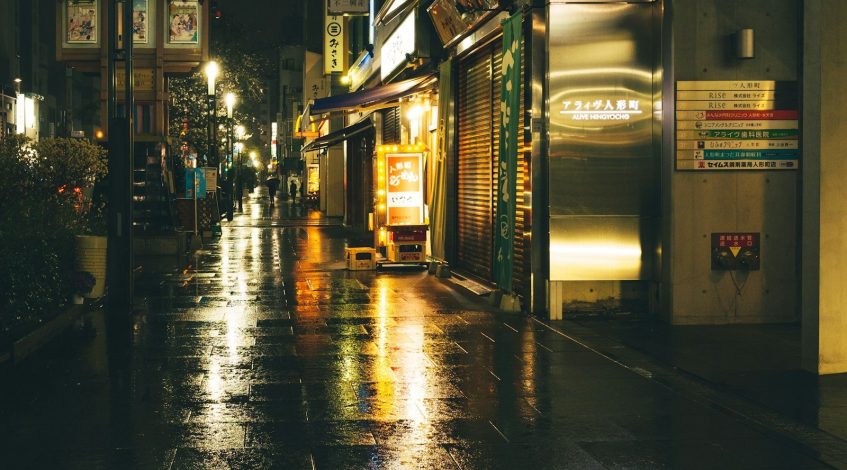
Most descriptions stop at sight. Smells, sounds, temperatures and textures make a place tangible. The smell of wet asphalt or the hum of a neon tube often says more than any colour.
Describe through the eyes of the character
A character never sees a place neutrally. An architect notices different things than a thief; a character in love sees the same street differently from one in mourning. Filtering the setting through point of view links description with character development.
Show the place in motion
Static descriptions slow things down. Let the character move through the space, touch things, open doors. The place emerges along the way while the action continues. That is show, don’t tell for settings.
Spread the description out
Instead of describing a place completely at the start of a scene, scatter details throughout. One sentence to open is often enough; further impressions follow when they become relevant.
How much description is right?
It depends on genre and scene. Fantasy and historical fiction usually need more world description because readers do not know the place. In romance and thrillers, pace comes first. Rule of thumb: a new place needs more introduction than one readers already know. In action scenes and emotional climaxes, a minimum is enough.
The setting as a mirror
A setting is especially powerful when it mirrors the character’s inner state or contradicts it. An argument in a cramped kitchen intensifies the tightness. A breakup on a sunny beach hurts more through the contrast. Choices like these make the place part of the story.
Common mistakes we see as editors
- The info dump: A whole page of description before anything happens.
- The empty room: Characters talk, but readers have no idea where they are.
- Interchangeable adjectives: „beautiful“, „big“ and „old“ create no image.
- Breaks in logic: A window that suddenly moves to the other wall, or a door that is first locked and then open.
- Clichés: „The sun set blood red.“ Readers have seen such images too often.
Frequently asked questions
Should I use real or invented places?
Both work. Real places create credibility but require research, because locals spot mistakes immediately. Invented places give you freedom and can still be based on real models.
How do I research a setting?
Ideally on site, with a notebook and open senses. If that is not possible, photos, videos, maps and travel writing help. Pay attention to sounds and smells that pictures cannot show.
How do I keep details consistent?
Create a setting file with sketches, floor plans and key details. It saves a lot of time during revision.
Conclusion
A vivid setting comes from a few strong details, several senses and your character’s perspective. Spread the description, connect it with action and use the place as a mirror of feeling. Then the backdrop becomes a place readers want to return to.
Can readers see your settings?
In an edit we check whether your descriptions create atmosphere, whether the pacing works and whether your places stay consistent. Try our sample edit: 20 pages for €99.
Keep reading
Legal notice and privacy policy are available in German: Impressum · Datenschutzerklärung