Home · Editing Services · Blog · Free Quote · Deutsch
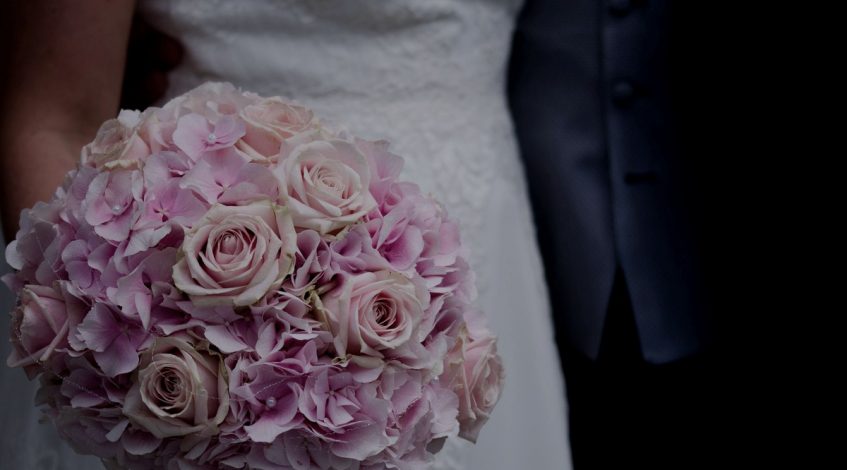
The arranged marriage trope is one of the most popular motifs in dark romance and romantasy.
Diesen Artikel auf Deutsch lesen
Arranged marriage and forced marriage are among the most intense tropes in dark romance, and among the fastest growing. In 2026, the trope dominates BookTok, bestseller lists and readers‘ wish lists at the same time. But writing it well is harder than it looks: set it up wrong, and you get a heroine without agency and a hero who is mere scenery. Set it up right, and you get one of the most emotionally intense romances the genre has to offer.
In this guide you will learn what makes the arranged marriage trope so effective, which variants exist, how to build the power dynamic convincingly and where the most common mistakes lie.
Why this trope is so strong: the basic principle
The arranged marriage trope works because it builds a fundamental emotional conflict into the story from the start: two people are bound to each other without having chosen each other. Everything that happens afterwards unfolds in a frame neither of them controls.
That is the real core of the trope. Not the wedding, but the question of control. Who has power over whom? Who gives it up voluntarily, and when? And how does that change over the course of the story?
In dark romance, the forced marriage is often not a neutral arrangement. It is an instrument of power, a trade, a punishment or a protection. This starting point creates tension from page one, without the characters having to slowly get closer first.
The crucial difference from enemies to lovers: In enemies to lovers, the characters first have to come into contact. In the arranged marriage trope, they are in contact from the start, whether they want it or not. That changes everything: the tension does not come from approach, but from forced closeness with no easy way out.
The four main variants
1. The political arrangement
Two families, two clans, two dynasties. The marriage is a peace treaty or an alliance of power. Both characters know this and accept it, at least officially. The tension comes from what develops underneath.
2. The protective marriage
The heroine is in danger, and marriage is the only way to protect her. Or the other way around. The voluntariness is limited, but the intention behind it is protection, not control. A morally complex starting point.
3. The forced marriage
There is no choice. The heroine is married off without consent and without a way out. This is the darkest variant and requires the most careful character work to keep the heroine from becoming passive.
4. The deal
The marriage is a trade: she marries him, and in return she or her family gets something. This variant gives the heroine the most agency from the start, because she actively agreed, even if out of necessity.
All four variants work in dark romance. What matters is that you know which one you are writing, because each makes different demands on character development, power dynamics and the heroine’s emotional journey.
The emotional arc: how the trope works structurally
- The arrangement: The marriage is sealed. No getting to know each other, no trust, only a contract and two strangers.
- Forced closeness: They live together, whether they want to or not. First unexpected glimpses. First cracks in the image of the other.
- The shift: The power dynamic begins to shift. Who is really in control? The answer changes, for both.
- The choice: For the first time they choose each other, not because they have to, but because they want to. That is the emotional core.
The goal of the emotional journey is always the same: in the end, the characters have to freely choose what was forced at the beginning. Only then is the romance satisfying, for the characters and for readers.
1. The power dynamic: the heart of the trope
No other trope in dark romance offers so many ways to make power dynamics complex and layered. The decisive question is not only who has power, but how power changes over the course of the story.
- Formal power: Who has the upper hand legally, socially or financially? This is the visible level of power, and often the most misleading.
- Emotional power: Who feels something first? Who becomes more vulnerable as a result? In dark romance this power often flips: the hero feels earlier and hides it longer.
- Information power: Who knows what the other does not? Secrets, hidden motives, a concealed past. Information is power in this trope.
The most interesting development: the heroine starts without formal power and gains emotional and informational power without noticing it herself. He believes he controls her. And at some point he realises he no longer can, because he has lost too much.
2. The heroine: agency despite a forced situation
The most common and most serious mistake with the forced marriage trope is a passive heroine. She is married off, she endures it, she slowly opens up, but she does nothing. That destroys the character and the story at the same time.
A convincing heroine in this situation always has agency, within the limits of her situation. That does not mean she can flee or control everything. It means she decides how she deals with what happens to her.
Passive heroine
- She endures the situation in silence
- She opens up because he is nice to her
- She wonders whether he likes her
- She only reacts to his actions
- Her strength shows in endurance
Active heroine
- She sets her own rules, even if he does not respect them
- She opens up because she chooses to, despite everything
- She decides what she wants from him and goes after it
- She acts herself and forces him to react
- Her strength shows in decisions
3. The hero: control as protection, not dominance for its own sake
The hero in the arranged marriage trope has power, and the trope only works if that power has an explanation beyond pure dominance. The question is not why he controls her, but what he fears so much that control is the only way he knows.
The strongest heroes in this trope control out of fear: fear of loss, of betrayal, of weakness. And the heroine is the first person with whom this control does not work. Not because she defeats him, but because she sees him, and he cannot stop it.
Does not work
„You belong to me,“ he said. She nodded. She had no choice. He smiled, satisfied.
Works
„You belong to me.“ She raised her eyes. „You are telling yourself that, not me.“ He fell silent. For the first time, he did not know what to answer.
Does not work
He was brutal, dangerous and cold. But when he looked at her, he instantly became gentle, caring and good.
Works
He did not become gentle. For a moment he became careless. That was the difference, and she knew what it meant before he did.
4. Keeping the tension: when closeness does not dissolve the hostility
The biggest difference from enemies to lovers: in the arranged marriage trope, the hostility does not dissolve as closeness grows. It changes. The dislike becomes more complicated, more contradictory, harder to name. That is the real challenge in writing this trope.
- Unspoken rules: They never talked about it, but both know which lines must not be crossed. Until one falls without anyone having planned it.
- Private versus public dynamic: In front of others, they play the arrangement. Alone, everything is different, and neither knows what that means.
- Actions without explanation: He does something for her without explaining it. She accepts it without asking. These silent moments are the strongest in the trope.
- The secret: One of them knows something that changes the arrangement. The moment it comes out has to be chosen carefully.
5. The most common mistakes and how to avoid them
- The heroine is passive from start to finish. Readers cannot identify with her, they only watch. Solution: give her decisions within her limits. Even small ones count.
- The hero softens too quickly. The dark tension of the trope collapses, and he feels inconsistent. Solution: he changes in actions, not words, and does not know why himself.
- The power dynamic is static. No development, no tension, no emotional journey. Solution: let the balance of power shift, at least once in each direction.
- The forced marriage has no real consequences. The frame feels like scenery instead of a real constraint. Solution: show what the marriage means in concrete terms, socially, financially and emotionally.
- In the end, the choice does not feel free. The emotional resolution is missing, and readers are left unsatisfied. Solution: both need a moment in which they could truly decide otherwise, and still choose each other.
Checklist: does your arranged marriage trope work?
- I know which variant I am writing and have set it up clearly from the start
- The heroine has agency, even if her situation is restricted
- The hero controls out of fear, not for the sake of dominance
- The power dynamic shifts at least once over the course of the story
- There are silent moments, actions without explanation, that say more than dialogue
- The private and public dynamics between the characters differ
- The secret that could change everything is planted in the text from the start
- In the end, both choose each other freely, and this moment is earned
- The forced marriage has real consequences and is not just a setting
Frequently asked questions
What is the difference between arranged marriage and forced marriage?
In an arranged marriage, the characters often agree reluctantly. In a forced marriage, at least one character is forced against their will, which makes the dynamic considerably darker.
Which tropes go well with arranged marriage?
Especially common are forced proximity, enemies to lovers, slow burn and mafia romance.
Popular dark romance books with this trope
- Bound by Honor by Cora Reilly
- The Sweetest Oblivion by Danielle Lori
- Brutal Prince by Sophie Lark
- The Kiss Thief by L. J. Shen
Dark romance often contains distressing themes. Read the content notes of each book before buying.
Read more
Does your arranged marriage trope hold?
Is the power dynamic believable and does it develop? Does the heroine really have agency? Does the resolution feel earned? Learn more about our dark romance editing or try our sample edit: 20 pages for €99.
Legal notice and privacy policy are available in German: Impressum · Datenschutzerklärung